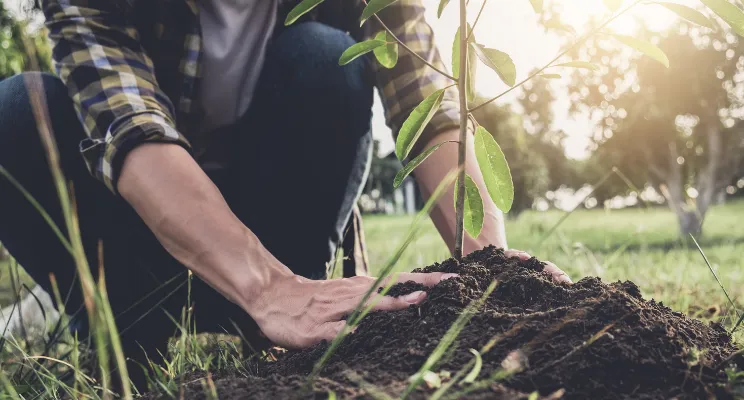
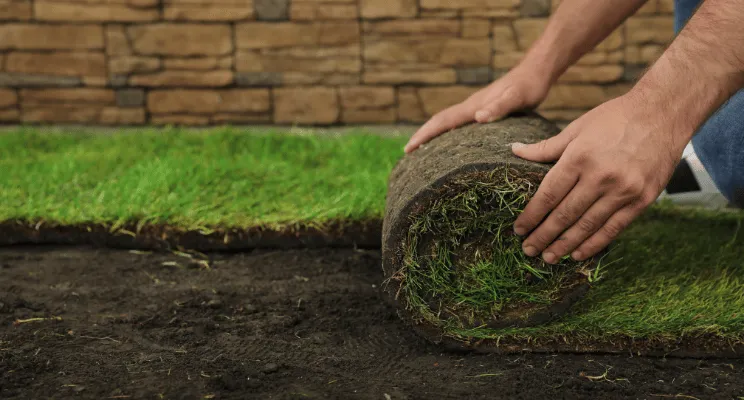
Fall tree planting in Orange County, NY, is a great way to add privacy, shade, and lasting beauty to your property. The best choices include native trees such as red maple and serviceberry, along with deer-resistant shrubs like inkberry and red osier dogwood. Early fall is generally the best planting window, giving roots time to establish before the ground freezes, while certain evergreens are better saved for spring.
When Is the Best Time to Plant Trees and Shrubs in NY?
The best time to plant trees in NY is typically September through early October, depending on weather and soil conditions. Cooler temperatures reduce heat stress, while the soil often remains warm enough for root growth. Planting early gives trees and shrubs a better chance to establish before winter.
According to Cornell Cooperative Extension, fall is an excellent season for planting woody trees and shrubs, with approximately six weeks before the ground freezes recommended for transplanting. However, late-season planting requires extra attention because roots may not have enough time to develop. The following guidelines can help you decide what to plant now and what to postpone.
September to Early October: Generally the preferred window for planting deciduous trees and shrubs.
Late October to November: Planting becomes riskier as soil temperatures drop and the ground approaches freezing.
Spring: A better option for sensitive evergreens, including arborvitae and rhododendrons, especially in exposed locations.
Best Trees and Shrubs for Privacy, Shade, and Low-Maintenance Landscaping
Choosing the right plants starts with understanding what your property needs. Some homeowners want additional privacy, while others need shade or attractive plants that require less attention throughout the year. The following options can work well in Orange County when matched to appropriate sunlight, soil, drainage, and available space.
Trees and Shrubs for Privacy
Privacy plantings help define property boundaries, create natural screening, and improve the appearance of outdoor spaces. Choosing plants with suitable mature heights and widths prevents overcrowding as they grow.
Inkberry Holly: A native evergreen shrub that can provide year-round screening in suitable conditions.
Red Osier Dogwood: A native deciduous shrub that forms natural screens and adds colorful winter stems.
White Spruce: An evergreen tree suitable for taller screening where sufficient space is available.
Native Trees for Shade
Native trees in the Hudson Valley offer shade while supporting local wildlife and the surrounding environment. Selecting trees based on their mature canopy size helps prevent future conflicts with buildings, driveways, and underground utilities.
Red Maple: A native shade tree known for attractive fall foliage and adaptability to different soil conditions.
Northern Red Oak: A long-lived native tree that provides a broad canopy for larger properties.
Serviceberry: A smaller native tree with spring flowers, fall color, and berries that attract birds.
Low-Maintenance Trees and Shrubs
Low-maintenance landscaping begins with plants suited to the property rather than species that require constant adjustments. Native selections are often worth considering, although every new planting requires watering and attention during establishment.
Black Chokeberry: A native deciduous shrub with spring flowers, berries, and colorful fall foliage.
Red Osier Dogwood: A practical option for naturalistic plantings and suitable moist locations.
Inkberry Holly: An evergreen shrub that maintains its foliage year-round and works well in appropriate acidic soils.
Deer-Resistant Trees and Shrubs for Orange County Properties
Deer browsing is an important consideration for homeowners throughout Orange County, especially on wooded properties. Choosing deer resistant shrubs and trees can reduce the risk of damage, but no species is completely protected from hungry wildlife. According to Cornell Cooperative Extension’s deer-resistant plant guide, some woody plants are significantly less attractive to deer than others.
Tree or Shrub
Deer Damage Rating
Typical Landscape Use
Spruce
Rarely damaged
Privacy and screening
Inkberry Holly
Seldom severely damaged
Evergreen screening
Red Osier Dogwood
Seldom severely damaged
Natural borders
Red Maple
Occasionally damaged
Shade and fall color
Serviceberry
Occasionally damaged
Small ornamental tree
Northern Red Oak
Occasionally damaged
Large shade tree
American Arborvitae
Frequently severely damaged
Evergreen privacy hedge
How to Prepare Your Property for Successful Fall Planting
Successful tree and shrub planting depends on more than choosing attractive plants. Soil quality, drainage, sunlight, and planting depth all influence how well roots establish before winter. Proper preparation also helps prevent future issues with standing water, overcrowding, and poor growth.
Check Soil and Drainage: Identify compacted soil and areas where water regularly collects before choosing planting locations.
Consider Mature Plant Size: Leave enough space between trees, shrubs, structures, and utilities to accommodate future growth.
Prepare the Planting Area: Remove competing vegetation and loosen the surrounding soil to encourage root development.
Set the Correct Planting Depth: Keep the root flare at or slightly above the surrounding soil level and avoid burying the trunk.
Water and Apply Mulch: Water thoroughly after planting and apply a layer of mulch around the root zone without piling it against stems or trunks.
First-Winter Care for Newly Planted Trees and Shrubs
New trees and shrubs need extra protection during their first winter because their roots are still developing. Frozen soil, drying winds, road salt, and deer browsing can create additional stress. Following guidance from Cornell Cooperative Extension, homeowners can reduce winter damage with a few practical precautions.
Continue Watering: Check soil moisture during dry periods and water deeply until the ground freezes, without saturating the soil.
Protect Against Deer: Use suitable tree guards, fencing, or protective barriers where wildlife browsing is common.
Reduce Salt Exposure: Keep vulnerable plants away from road salt spray, salty runoff, and areas where treated snow accumulates.
Use Winter Protection When Needed: Install breathable burlap screens around exposed evergreens to reduce winter wind and sun damage.
Your Go-To Team for Tree and Shrub Planting in Orange County, NY
Choosing the right trees and shrubs is only part of creating a landscape that lasts. At Ease Excavation provides professional landscaping services in Montgomery and Orange County, NY, including tree and shrub planting and new lawn installation. We focus on proper soil preparation, thoughtful plant selection, and professional installation to help establish healthy outdoor spaces.
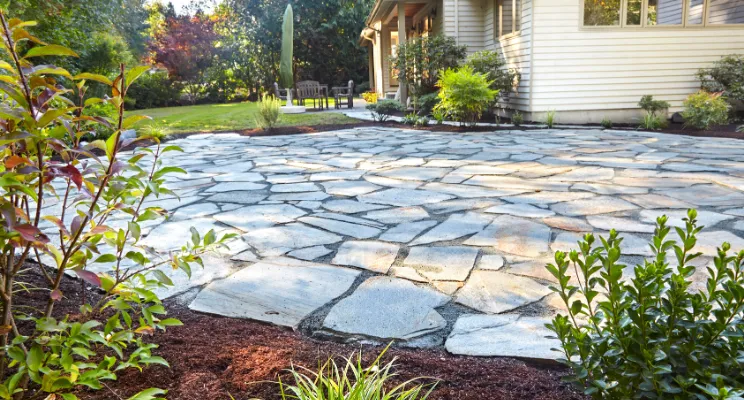
Our tree planting services in Orange County, NY, and shrub planting services consider soil conditions, drainage, and long-term growth requirements. Whether you’re adding shade trees, creating natural privacy screening, or improving an existing landscape, we help plan and install plantings that fit your property. Our experience with land grading and drainage solutions also helps us address site conditions that may affect plant health.
Plan Your Fall Tree and Shrub Planting With Our Team
Fall is an excellent opportunity to add shade, privacy, and natural beauty to your Orange County property. Choosing the right species, planting at the proper time, and protecting young plants through winter can make a lasting difference. Whether you’re considering native trees, deer-resistant shrubs, or a complete landscaping update, we’re here to help. Contact us today to request a free estimate for professional tree and shrub planting in Orange County, NY.
Every project depends on proper preparation, accurate grading, and dependable workmanship from the start. We approach each job with clear communication, practical experience, and a focus on long-term results. When you need site work done right, you can trust our team to handle it with care and precision.